Darknet Markets 2026:
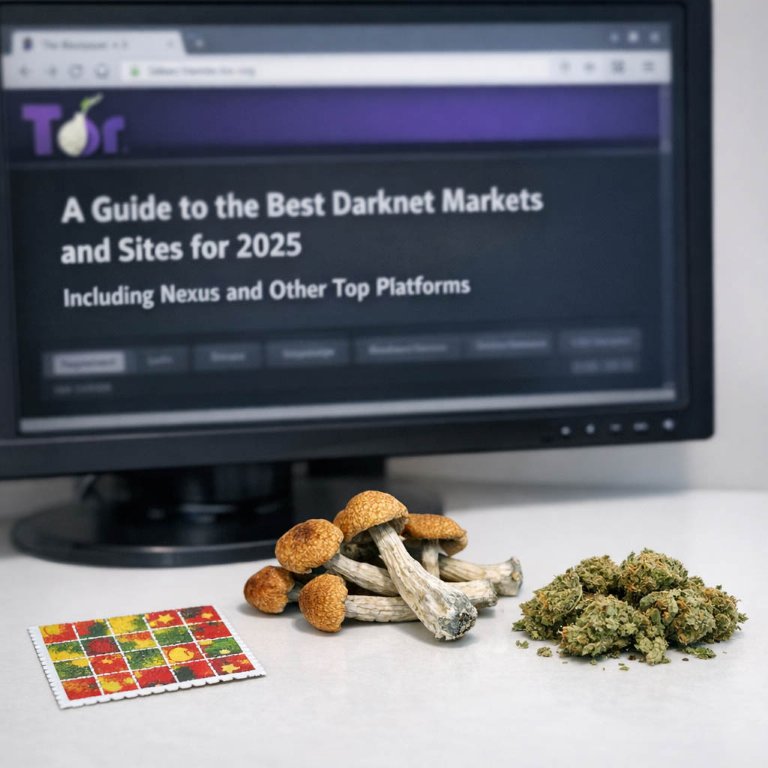
The dark web is part of the deep web but is built on darknets: overlay networks that sit on the internet but which can't be accessed without special tools or software like Tor. Tor is an anonymizing software tool that stands for The Onion Router — you can use the Tor network via Tor Browser.
| Darknet Market | Established | Total Listings | Link |
|---|---|---|---|
| TorZon Market | 2022 | 140+ | Onion Link |
| Nexus Market | 2024 | 600+ | Onion Link |
| Abacus Market | 2022 | 100+ | Onion Link |
| Ares | 2026 | 100+ | Onion Link |
| Cocorico | 2023 | 110+ | Onion Link |
Updated 2026-10-27
How Tor Enables Safe and Private Commerce in the Darknet
The operational model of darknet markets is engineered to provide a secure and private commercial environment. This is achieved through a foundational triad: anonymity, cryptocurrency, and escrow systems. The Tor network provides the essential layer of user anonymity by encrypting traffic and routing it through a distributed network of relays, obscuring the origin and destination of data. This allows buyers and sellers to interact without revealing their physical location or identity.
Transactions are conducted using cryptocurrencies like Bitcoin or Monero. These digital currencies function as a private payment method because they operate on a decentralized ledger, removing traditional financial institutions from the process. While Bitcoin transactions are publicly recorded, tools like coin mixers or the inherent privacy features of Monero add significant layers of financial obfuscation.
To mitigate the inherent risk of fraud in an anonymous setting, darknet markets employ automated escrow services. Funds from a buyer are held in escrow by the market's software until the product is delivered and confirmed. Only then is the payment released to the vendor. This mechanism enforces transactional honesty and builds trust between strangers. The system is self-reinforcing:
- Vendors with consistent positive reviews gain reputation and more business.
- Buyers provide detailed feedback on product quality and stealth, creating community-driven accountability.
- Disputes are often mediated by market administrators, with escrow protecting both parties.
This combination of technological privacy and economic incentivization creates a resilient marketplace structure focused on consumer safety and transactional reliability. The design prioritizes clear product descriptions, reliable shipping, and customer satisfaction, as these factors directly determine a vendor's success and longevity on the platform.
How Crypto and Escrow Make Darnet Drug Shopping Safe and Private
The operational foundation of darknet markets is a financial architecture built for discretion. Cryptocurrencies, primarily Bitcoin and Monero, are the mandated payment instruments. These digital currencies enable transactions that are pseudonymous by design. When a user sends crypto, the transaction is recorded on a public ledger, but the identities behind the wallet addresses are not inherently revealed. This provides a significant layer of financial privacy not available with traditional payment systems, which are directly tied to personal identity and subject to institutional oversight.
The process is integrated with an escrow system managed by the marketplace itself. When a buyer places an order, the cryptocurrency payment is held in the market's escrow service. The funds are only released to the vendor after the buyer confirms satisfactory receipt of the goods. This mechanism directly addresses the inherent trust deficit in anonymous environments. It protects buyers from fraudulent vendors who might not ship products, and it protects vendors from fraudulent chargebacks or disputes common in traditional e-commerce. The escrow acts as a neutral third party, ensuring that both parties fulfill their agreed-upon obligations.
This combination creates a secure transactional loop. The pseudonymity of cryptocurrency shields financial activity, while the escrow system enforces contractual honesty. For the user, this means shopping can be conducted with a reduced risk of financial exposure or fraud. The system's design incentivizes reliable vendor behavior, as their reputation and ability to receive payments are contingent upon successful order completion verified through escrow release.
How Escrow Makes Darnet Drug Deals Safe and Reliable
Trust is the fundamental currency of any marketplace, and this is especially true for darknet platforms where traditional legal recourse is absent. To solve this, darknet markets have institutionalized the escrow system as a neutral third-party mechanism. When a buyer initiates a purchase, their cryptocurrency is held by the market's escrow service, not released directly to the vendor. This creates a secure environment for both parties.
The process functions in clear stages:
1. The buyer sends payment to escrow, which the vendor sees as confirmed.
2. The vendor ships the product.
3. Upon receipt, the buyer finalizes the order, releasing funds from escrow to the vendor.
This system directly addresses the core problem of fraud. It protects buyers from vendors who might not ship products, as funds remain in escrow until confirmation. Simultaneously, it protects vendors from false claims of non-delivery, as the buyer must actively finalize. Disputes are handled by market moderators who review communication and evidence before adjudicating the escrow funds. The escrow model transforms a potentially risky anonymous transaction into a self-enforcing agreement. It incentivizes honest behavior because a vendor's reputation and cash flow depend on successful order completion, while buyer accountability is maintained through the finalization step. This technical solution provides a trustless framework where commerce can proceed securely based on system design rather than personal faith.

A Great Selection and Clear Info Make Shopping Easy
The product catalog is a central feature of any successful darknet marketplace. These platforms function as specialized e-commerce hubs, and their economic viability depends on attracting both vendors and consumers. A wide and varied selection of goods addresses the core demand, transforming a niche platform into a comprehensive shopping destination. This diversity is not random; it is a direct response to market demand and consumer preference, mirroring the dynamics of legal online retail.
Vendors compete within this ecosystem, and a key competitive strategy is the quality of product listings. Clear, detailed descriptions are essential for building trust in an anonymous environment. A standard listing includes precise information on weight, purity, chemical composition, and country of origin. This transparency reduces transactional uncertainty. Vendors often supplement descriptions with high-resolution photographs, sometimes featuring branded packaging or verification codes, to further authenticate their products and differentiate themselves from competitors.
The organizational structure of these marketplaces enhances user experience. Products are categorized into intuitive sections, such as stimulants, psychedelics, or pharmaceuticals, and can be filtered by price, vendor rating, or shipping location. This systematic approach allows consumers to make informed decisions efficiently. The combination of extensive choice and reliable product data creates a self-reinforcing cycle: better information leads to more satisfactory transactions, which in turn generates positive feedback and encourages higher standards across the marketplace.
How Reviews on the Darknet Make Products Better
The feedback system is a foundational mechanism for quality control on darknet markets. Unlike traditional anonymous commerce, these platforms formalize the review process, making it integral to every transaction. A buyer who receives a product submits a rating and detailed comments on specific criteria: product purity, accurate weight, stealth of packaging, and vendor communication speed. This data is permanently attached to the vendor's profile, creating a transparent and searchable performance history.
This public ledger of customer experiences enforces a high degree of vendor accountability. A seller with consistently poor reviews will see their sales decline rapidly, as new buyers can easily identify substandard service or products. Conversely, vendors who maintain high ratings and positive detailed feedback build a valuable reputation, which translates directly into increased trust and higher sales volume. The system creates a direct economic incentive for vendors to provide exactly what is advertised and to handle transactions professionally.
The collective intelligence from reviews also drives a general improvement in product quality across the marketplace. Buyers often perform laboratory tests on substances and share the results in their reviews. This crowdsourced testing provides a more reliable measure of product purity and composition than a vendor's own claims. As this information becomes public, it pressures all vendors in a given product category to source higher-quality materials to remain competitive. The review system thus functions as a continuous, community-driven audit, filtering out dishonest sellers and rewarding those who meet or exceed expectations.

How Darknet Markets Keep Themselves Safe and Reliable
The operational stability of darknet marketplaces is not imposed by external authorities but emerges from a sophisticated, community-driven framework. This self-regulation is a direct response to the need for trust and security in an environment where legal recourse is absent. The system functions through interconnected mechanisms where each participant's actions contribute to the overall health and reliability of the platform.
At the core of this system are user reviews and vendor ratings. Every transaction culminates in detailed public feedback, which serves as a powerful accountability tool. Vendors with consistently high ratings and positive reviews naturally attract more business, incentivizing honest dealings and high-quality products. Conversely, vendors who engage in scams or provide substandard items are quickly identified through negative feedback, leading to a loss of reputation and sales. This creates a transparent reputation economy where past performance reliably predicts future behavior.
This reputation data is further reinforced by escrow services managed by the marketplace. Funds from a purchase are held in escrow until the buyer confirms satisfactory receipt of the goods. Only then is the payment released to the vendor. This simple mechanism neutralizes the most common fraud attempts and aligns the interests of all parties, ensuring the vendor ships the product and the buyer finalizes the transaction honestly. Disputes are often mediated by marketplace administrators, who use the available evidenceincluding communication logs and product descriptionsto make a binding judgment, thus providing a form of internal arbitration.
The community itself acts as a vigilant collective. Forums and discussion boards associated with these markets allow users to share experiences, warn others about potential scams, and discuss vendor reliability. This open discourse amplifies the effect of the review system and creates a shared knowledge base. The result is a resilient and self-policing ecosystem that effectively minimizes risk. It adapts organically to new threats, as bad actors are rapidly marginalized by the collective actions of informed users, ensuring the marketplace's continued function and focus on consumer safety and transactional integrity.
How Darknet Markets Protect Buyers
The operational model of a darknet marketplace is fundamentally built around consumer protection, leveraging technological features to mitigate risk. Anonymity is the primary safeguard, achieved through the mandatory use of the Tor network and cryptocurrency payments. This combination ensures that a buyer's identity and financial footprint are separated from their transaction history, providing a layer of personal security that is difficult to achieve in conventional online or street-level purchases.
Trust is engineered into the system through the near-universal adoption of multisignature escrow. In this model, funds are held in a secure, third-party wallet until the buyer confirms satisfactory receipt of the product. This mechanism effectively neutralizes the threat of vendors simply taking payment and not delivering goods, as they only receive funds upon successful completion of the order. The escrow system places the consumer in a position of greater control and security.
Marketplaces further enhance safety and quality through transparent, community-driven feedback systems. Every transaction can be followed by a detailed review and rating, creating a permanent reputation record for each vendor. This creates powerful accountability:
- Vendors with consistently high ratings and positive reviews are easily identifiable, rewarding reliable service.
- Product listings are accompanied by detailed descriptions and often photographs from previous buyers, allowing for informed purchasing decisions.
- This open review system allows communities to self-regulate, collectively identifying and ostracizing bad actors or vendors selling substandard products.
These design featuresanonymity protocols, secured financial transactions via escrow, and transparent reputation metricscollectively create an environment where consumer safety and satisfaction are not incidental but are the core architectural principles of the marketplace. The resilience of these platforms is directly tied to their ability to consistently deliver on this promise of secure and private commerce.
How Darknet Markets Stay Open for Business
The operational framework of darknet marketplaces is defined by a decentralized and fluid architecture. This structure is not static but evolves in direct response to external pressures and internal community needs, ensuring long-term viability. The core componentsTor for anonymity, cryptocurrency for finance, and escrow for trustare modular. When one element faces a challenge, such as a specific cryptocurrency becoming less private, the system can integrate an alternative without a fundamental collapse of the marketplace ecosystem.
This adaptability is evident in the rapid migration of both vendors and buyers between platforms. If a marketplace is compromised or shuts down, its user base typically disperses to existing or newly created alternatives within a short timeframe, carrying with them the established practices of secure transaction. The resilience is further reinforced by the self-contained economic model. All essential functionsfrom product listing and vendor review to dispute resolutionare handled within the platform's encrypted environment, creating a self-sustaining cycle of commerce that operates independently of traditional financial and legal systems.
The structure prioritizes continuity and security for its participants. Key features that facilitate this include:
- Redundant server infrastructure and frequent address rotation to maintain uptime.
- Open-source software bases that allow for forks and rapid development of new market features.
- A strong reliance on community-driven feedback mechanisms, like rating systems, which enforce quality standards without central authority.
Ultimately, the marketplace design transforms potential points of failure into opportunities for reorganization. This creates a persistent and resilient commercial environment where private trade can flourish based on the direct principles of secure exchange and mutual agreement between parties.