Darknet Markets 2026:
The dark web is part of the deep web but is built on darknets: overlay networks that sit on the internet but which can't be accessed without special tools or software like Tor. Tor is an anonymizing software tool that stands for The Onion Router — you can use the Tor network via Tor Browser.
| Darknet Market | Established | Total Listings | Link |
|---|---|---|---|
| TorZon Market | 2022 | 140+ | Onion Link |
| Nexus Market | 2024 | 600+ | Onion Link |
| Abacus Market | 2022 | 100+ | Onion Link |
| Ares | 2026 | 100+ | Onion Link |
| Cocorico | 2023 | 110+ | Onion Link |
Updated 2026-10-27
How Darknet Markets Work: Direct Deals, Privacy, and Choice
The peer-to-peer model is the operational foundation of darknet commerce, eliminating traditional intermediaries and enabling direct transactions between buyers and sellers. This structure creates a more efficient and resilient marketplace. The model relies on several integrated components to function securely and effectively.
Cryptocurrencies like Bitcoin and Monero are used for private payments, providing a layer of financial anonymity that is difficult to trace through conventional means. This financial privacy is complemented by strong encryption, which keeps all communications and transaction details secure from interception.
To navigate this decentralized environment, buyers depend on vendor ratings and review systems. These systems create a transparent record of a vendor's reliability and product quality, establishing trust within an otherwise anonymous setting. This feedback mechanism directly fuels market competition, which leads to better prices and a wider selection of products for the consumer.
The infrastructure itself is designed for resilience. Decentralized networks, often based on technologies like Tor or I2P, ensure security and uptime by distributing the marketplace across numerous nodes, making it resistant to single points of failure. This architecture is crucial for protecting buyer anonymity throughout the entire purchasing process.
Ultimately, the darknet market operates on a purely demand-driven basis. The available products and their evolution are a direct reflection of consumer choice, creating a dynamic and responsive economy that adapts to user preferences without external interference.
How Cryptocurrency Makes Buying Drugs on the Darknet Easy and Private
The adoption of cryptocurrency is fundamental to the darknet market economy, providing a mechanism for private, secure, and borderless transactions. Unlike traditional financial systems, cryptocurrencies like Bitcoin and Monero operate on decentralized networks, allowing for direct peer-to-peer transfers without intermediary banks. This architecture inherently supports financial privacy by minimizing the exposure of personal identifying information during a payment process.
Transactions are recorded on a public ledger, the blockchain, but the identities behind wallet addresses are pseudonymous. To enhance privacy, users employ techniques such as:
- Using tumbling services or coin mixers to obscure the trail of funds.
- Converting to privacy-centric coins like Monero, which uses stealth addresses and ring signatures to encrypt transaction details.
- Generating a new wallet address for each transaction to prevent address reuse and clustering analysis.
The result is a payment system that aligns with the core requirements of darknet commerce. It enables buyer anonymity, reduces the risk of payment fraud through escrow services, and facilitates a global market where geography does not restrict economic activity. The efficiency and privacy of cryptocurrency payments directly contribute to the demand-driven nature of these markets, allowing them to function with resilience and responsiveness to user needs.
How Encryption Protects Private Deals on the Darknet
The foundation of secure transactions on the darknet is end-to-end encryption. This system ensures that only the intended recipient, a specific vendor or buyer, can read a message. When a buyer sends an order, the software automatically encrypts it using the vendor's unique public key. This encrypted data, which appears as random characters, is then transmitted across the network.
Even if intercepted, the message remains unreadable without the corresponding private key, which is securely held only by the vendor. This method, often PGP (Pretty Good Privacy) encryption, protects all sensitive content:
- Shipping addresses and drop locations
- Specific order details and quantities
- Any direct personal identifiers
Marketplaces themselves only host encrypted data, meaning they cannot access the actual content of communications. This design separates the platform's infrastructure from the private deal, placing control directly with the users. The use of proven cryptographic standards transforms ordinary digital conversations into secure, private exchanges that facilitate the market's operation.

How Darknet Reviews Help You Find Quality Products
The vendor rating system is the cornerstone of trust and quality assurance on darknet markets. It functions as a decentralized, community-driven form of regulation. Every transaction concludes with the buyer leaving detailed feedback, which includes a numerical score and written comments about the product's purity, accurate weight, stealth of packaging, and the vendor's communication speed.
This creates a transparent and persistent reputation history for each seller. A vendor with thousands of positive reviews and a high rating, often displayed as a percentage score, has a proven track record. This system incentivizes vendors to maintain high standards, as their business viability depends directly on their reputation. Poor quality products, scams, or unreliable shipping are quickly exposed in public reviews, leading to a loss of customer trust and a rapid decline in sales.
The review data allows buyers to make informed decisions. Before purchasing, a user can analyze a vendor's profile, examining:
- The consistency of positive feedback over time.
- Specific comments regarding the potency and consistency of the product.
- Reports on the reliability and discretion of shipping methods.
- The vendor's response rate to any issues raised in negative reviews.
This collective intelligence mitigates the risk for individual buyers. It transforms the market from a mere platform for exchange into a self-policing ecosystem where quality and reliability are financially rewarded, and poor performance is economically punished. The result is a competitive environment where vendors are compelled to offer superior products and service to build and maintain their standing, directly benefiting the consumer.
How Competition on the Darknet Lowers Prices and Expands Choice
The competitive structure of the darknet market economy directly benefits the consumer. Unlike monopolized or restricted physical markets, the open nature of these platforms creates a buyer's market. Numerous vendors operate simultaneously, each vying for customer loyalty and positive feedback. This environment naturally exerts downward pressure on prices as vendors must remain competitive to attract sales.
The mechanism is straightforward: a buyer can easily compare listings for the same substance across multiple vendor profiles. This transparency forces vendors to compete on price, product quality, and service. A vendor charging significantly above the average market rate without a corresponding justification in product purity or service speed will simply not receive orders. The result is a market where prices are often more efficient and reflective of true supply and demand, free from the artificial inflation common in prohibition-driven street markets.
Furthermore, competition vastly expands selection and specialization. Vendors are incentivized to differentiate their offerings to capture specific niches. This leads to:
- A wider variety of substances and strains available.
- Explicit grading of product purity and concentration.
- Specialized vendor shops focusing on specific product categories.
- Innovation in stealth packaging and shipping methods.
The feedback loop created by the vendor rating and review system is integral to this process. It provides a reliable metric for quality, allowing buyers to make informed decisions based on peer experiences. High-rated vendors can maintain a slight price premium, which rewards consistent quality and reliable service, while new or lower-rated vendors must offer better prices or unique products to build their reputation. This self-regulating ecosystem ensures that market forces continuously work to improve value, choice, and overall consumer satisfaction.
How Decentralized Networks Keep Darknet Markets Running Smoothly
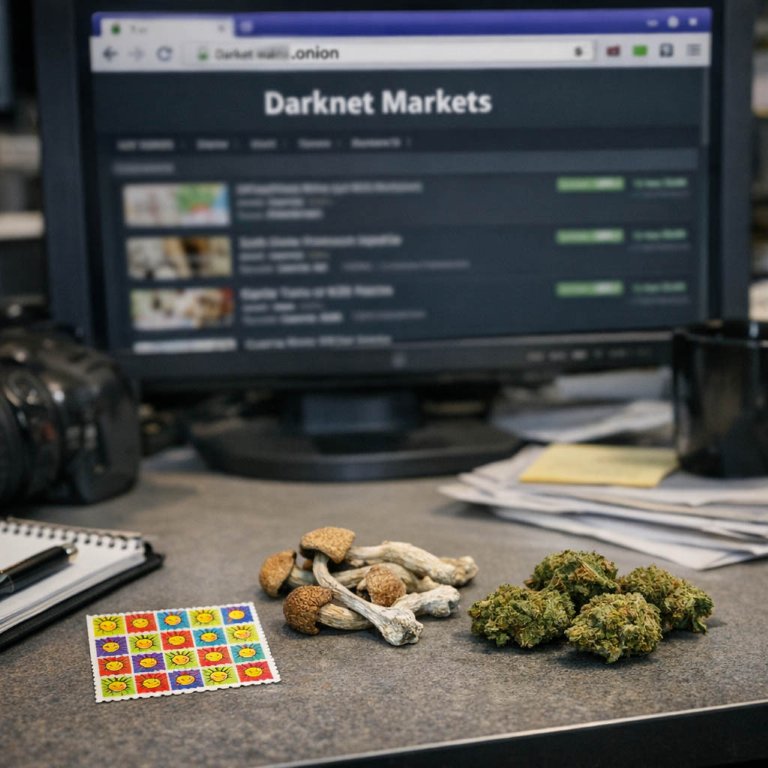
The operational resilience of darknet markets is fundamentally tied to their decentralized architecture. Unlike traditional centralized websites, which rely on a single server or data center, these markets operate on distributed networks. This structure eliminates a single point of failure, making the platform significantly more resistant to technical shutdowns or targeted attacks. Uptime is consistently high because the service does not depend on one vulnerable location.
Security is enhanced through this model as the network's infrastructure and data are not stored in a central repository that can be easily seized or compromised. The distributed nature means that even if one or several nodes are taken offline, the market can continue to function by routing communications through the remaining active nodes. This provides a stable and reliable environment for commerce, ensuring that both vendors and buyers have continuous access to the platform for transactions and communications. The system's durability is a direct result of its decentralized design, which prioritizes security and operational continuity above all else.
How Your Privacy is Kept Safe When Buying on the Darknet
Buyer anonymity on the darknet is a multi-layered system, starting with the fundamental use of The Onion Router (Tor). This technology encrypts and routes a user's connection through several volunteer-operated servers, effectively masking their original IP address and physical location from the market and vendor.
Financial privacy is achieved through cryptocurrencies like Bitcoin or Monero. Transactions are recorded on a public ledger, but they are not directly linked to real-world identities. To enhance this, buyers utilize tumbling services or built-in market wallets that pool and mix funds, breaking the direct blockchain trail between the buyer's initial coin purchase and the final payment to the vendor.
Direct communication is secured with end-to-end encryption, typically using PGP (Pretty Good Privacy). This ensures that sensitive information, such as a delivery address, is only readable by the intended recipient. The buyer encrypts their details with the vendor's public key, and only the vendor's private key can decrypt it, keeping the data secure even from the market administrators.
Operational security is maintained by separating identities. Buyers use unique pseudonyms for each market and avoid reusing usernames or passwords. Crucially, personal details are never discussed outside of PGP-encrypted messages, and the delivery address provided is a clean location with no direct link to other online activities.
How Customer Choice Shapes the Darknet Economy
The darknet drug market operates on a fundamental demand-driven economic model. Consumer preferences and purchasing power directly dictate the supply, variety, and innovation within the marketplace. This creates a highly efficient and responsive system where vendors must compete to meet user expectations, leading to observable economic principles in action.
The mechanism is straightforward: buyers seek specific substances, desired purity levels, and discreet shipping methods. Vendors who successfully fulfill these demands receive positive feedback and higher sales. This vendor rating system acts as a continuous quality audit, publicly rewarding reliable sellers and marginalizing those who provide inferior products or service. Market competition naturally emerges from this, applying downward pressure on prices and encouraging a wider product selection as vendors differentiate their offerings to capture market share.
This consumer-centric model fosters a self-regulating environment. The financial incentive for vendors to maintain a strong reputation is immense, directly aligning their success with customer satisfaction. Consequently, the market evolves based on collective user behavior, with popular products being stocked more widely and niche demands being met by specialized vendors. The ecosystem's structure ensures that successful participants are those who best understand and cater to the demonstrated needs of the buyer, making it a pure example of a consumer-led economy.